SPace Research

01

Orbital Debris Management and Risk Mitigation

Space Debris Research Lab is a virtual lab (science website) that studies the mechanisms of motion of functionable space systems through MIRCE Space, to understand, design and manage sustainable space missions. Space Debris Research Lab is also studying the mechanisms of the motion of remote sensing and small spacecraft technologies through MIRCE Space, used for collecting and analyzing data about Earth and Space environmental phenomena.

Types of Space Missions we work on

  • On-Orbit Satellite Servicing
  • Rendezvous and Docking
  • Satellite Servicing
  • Technologies
  • Tracking Aids
  • Deorbit Systems
  • Orbital Debris Observations and Environmental Protection From Orbital Debris

02

remote sensing

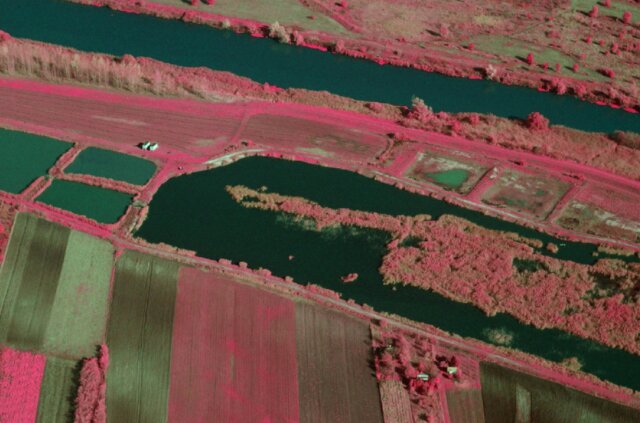
We offer a transformative approach to agricultural management, leveraging advanced remote sensing technologies to optimize all aspects of farming (especially, rice and maize farming), from precision irrigation and nutrient management to early disease detection and yield prediction. See more here.

03

Light Pollution and Orbital Debris Observations

This research investigates the difficulties and outcomes of optically observing various classes of orbital debris—including rocket bodies, derelict spacecraft, and operational satellites—from a metropolitan observatory in Serbia. The study successfully tracked high-priority targets from the McKnight Top 50 list, such as SL-16 rocket bodies and non-operational satellites like Resurs DK-1 and Cosmos 1892, while quantifying the disruptive effects of terrestrial and orbital light sources. Findings indicate that while urban light domes significantly hinder observations at low elevation angles (below 30 degrees), local industrial lighting from warehouses and truck parks also poses a constant challenge. Furthermore, the work highlights the increasing interference caused by Starlink satellite constellations and lunar phases, concluding with a strategic plan to expand these observational efforts to new sites in Accra, Ghana, and Bangalore, India. See more here.

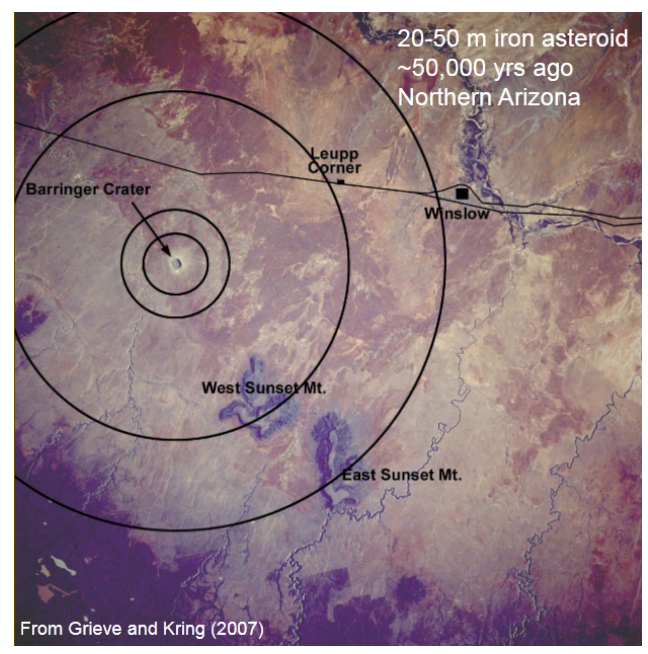
The goal of research is to present two vulnerability assessment methodologies: CIMDEN 2001 structural vulnerability assessment and PAR (Pressure and Release) model which can be used for the hazards produced by Near-Earth Object Impact scenarios.. See more here.

05

Deforestation in Krokosua Forest Reserve

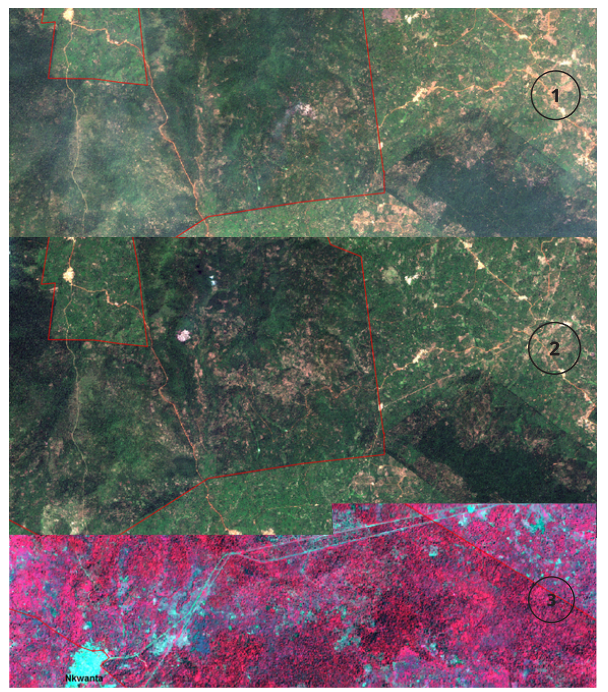
In this work, we look at deforestation activities in the Krokosua (Hills) Forest Reserve in Ghana using satellite data from the Copernicus Sentinel data 2022-2023. We find strong evidence of deforestation in the reserve. Furthermore, there’s evidence that the Krokosua (Hills) Forest Reserve host the endangered western chimpanzee (Pan troglodytes verus) species which are now being severely affected by these deforestation activities. See more here.

We offer a transformative approach to agricultural management, leveraging advanced remote sensing technologies to optimize all aspects of farming (especially, rice and maize farming), from precision irrigation and nutrient management to early disease detection and yield prediction. See more here.